



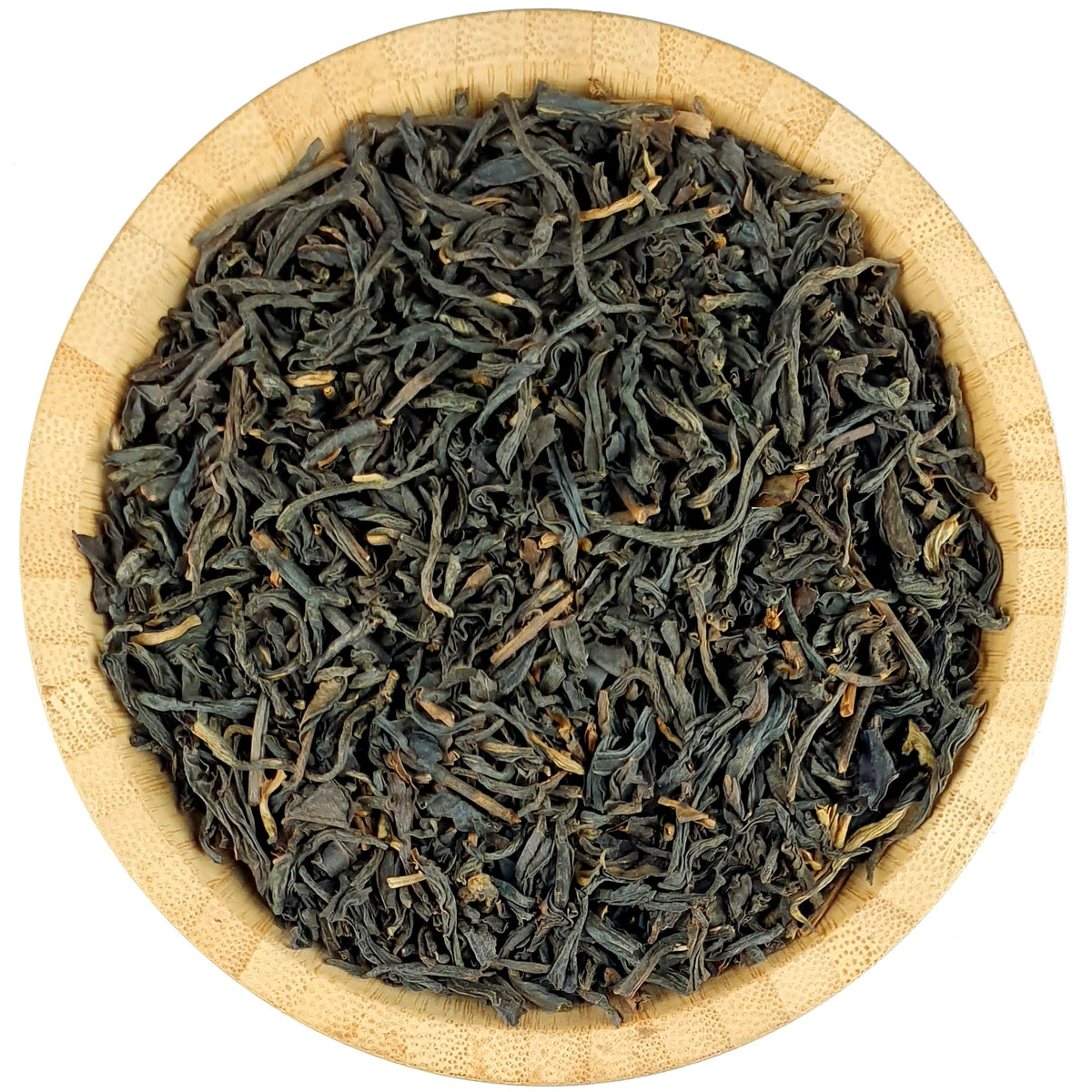
Earl Grey is a loose-leaf black tea with added bergamot flavouring. The infusion is full and malty, and the citrus scent rises above the cup from the first sip. It is drunk with milk or with a slice of lemon.
A surname that became a tea
An earl who did not trade in tea
Charles Grey, the 2nd Earl Grey, led the government of Great Britain in the 1830s. His cabinet carried out electoral reform and abolished the East India Company's monopoly on trade with China. From then on, any merchant could import tea from China. Apart from that, the earl is linked to tea only by his name. The story of a Chinese mandarin who is said to have given him tea with bergamot remains a legend.
A name in advertisements
The oldest known mention of a tea bearing the earl's name comes from a newspaper advertisement from the second half of the 19th century. Later, two London firms, Twinings and Jacksons of Piccadilly, claimed that they had prepared the recipe for the Grey family. Twinings was already blending teas to customers' wishes in the 18th century. Neither has a document from the period, so the author of the recipe remains unknown. The name caught on faster than any version of its origin.
How Earl Grey is made
The base is black tea from Yunnan. The leaves are withered, rolled, oxidised and dried. The finished tea is combined with bergamot flavouring. Bergamot is a citrus fruit grown on the coast of Calabria. Its fruit is sour and bitter and is rarely eaten fresh, while its peel has a citrusy, slightly floral scent. In this tea that scent comes from the added bergamot flavouring.
How it is used today
- A morning cup. Earl Grey with a dash of milk replaces a strong breakfast tea.
- An afternoon with lemon. A slice of lemon brings out the bergamot, and honey is best added once the infusion has cooled a little.
- Earl Grey latte. A strong infusion with hot frothed milk and vanilla is a drink known as London Fog.
- A summer jug. Iced Earl Grey with lemon is refreshing on a hot day.
Versions with additions, including Earl Grey Blue with cornflower, Earl Grey Lavender and Earl Grey Rainbow with colourful petals, are in our Earl Grey collection.
Earl Grey in your tea cupboard
Many people start drinking loose-leaf teas with this one. The scent is familiar.
Frequently asked questions
Is this tea flavoured?
Yes. It is a black tea with added bergamot flavouring.
Does it contain caffeine?
Yes, the base of the blend is black tea. The amount of caffeine in the infusion depends on the amount of leaves and the brewing time.
Can I drink it during pregnancy or with medication?
It contains caffeine, so in these situations ask a doctor or pharmacist. A product description does not replace their advice.
Is Earl Grey drunk with milk?
You can drink it either way. With milk, brew it a minute longer. Without milk, the bergamot comes through more clearly.
Sources
- William H. Ukers, All About Tea, New York 1935, vol. II, chapter VII “History of the British in Tea”, p. 120 (tea blending at Twinings), and chapter IX “Noted Firms in the British Isles”, pp. 156–157 (Jacksons, Twinings).
- E. A. Smith, Lord Grey 1764–1845, Oxford 1990.
- Oxford English Dictionary, entry “Earl Grey”.
- Mary Lou Heiss, Robert J. Heiss, The Story of Tea: A Cultural History and Drinking Guide, Berkeley 2007, chapter “Manufacture: From Fresh Leaves to Distinctive Tea”, section “Scented and Flavored Teas”.
- EFSA, Scientific Opinion on the safety of caffeine, EFSA Journal 2015, 13(5):4102.




