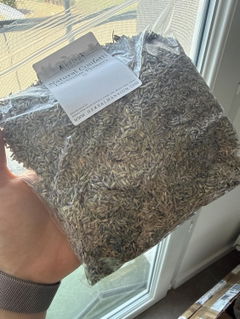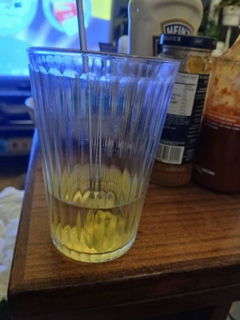


Pu Erh Green is a raw pu-erh, sheng in Chinese, in loose leaves: maocha, a tea dried in the sun and not pressed into cakes. The long, grey-green leaves give a pale yellow, slightly astringent infusion with a scent of hay, dried apricots and smoke, which mellows and darkens with each year of storage. This sheng is ready to drink straight away from a gaiwan or to put away in a cupboard for a few years. A tea for people who know ripened pu-erh and want to try its raw, livelier side.
Raw pu-erh
Raw and ripened
In their section on pu-erh, the Heisses write that there are two kinds of this tea. Sheng, the raw kind, is made from sun-dried leaves and matures naturally over years of storage. Shou, the ripened kind, undergoes accelerated maturing in damp heaps so that it gives a dark infusion within a few weeks. In Yunnan the name pu-erh covers both versions, loose and pressed, and this tea is the raw version, sold unpressed.
One race for Yunnan and China
Ukers cites the classification of the botanist George Watt, who distinguished four main varieties of the tea plant and, within the variety viridis, six races. Among them are the Assam, Lushai, Naga, Manipur and Burmese races, and a sixth, shared by Yunnan and China. Watt admits that too little is known about the races from China and refers to Augustine Henry, who studied tea in the forests of Yunnan. Henry described it as a small, sparsely branched tree growing in the dense shade of the forest, like the wild Indian forms. The large leaf from which pu-erh is made therefore comes from plants that early twentieth-century botany placed alongside Assam and Burmese tea.
How Pu Erh Green is made
In this style, the leaves are picked from large-leaf bushes and trees, then briefly roasted in a heated pan to stop oxidation, rolled and dried in the sun. In 1935 Ukers described tea from Yunnan as roasted and sun-dried, and only then pressed. Loose sheng stops before pressing, so in this style the whole, long leaves remain visible. Such leaf is called maocha, raw tea, and it is what cakes and nests are later pressed from.
How it is used today
- In a gaiwan. Short infusions, from 10 seconds, for a dozen or so brews.
- With chrysanthemum. A classic Chinese pairing for summer.
- To put away. A packet stored for a few years changes the taste of the infusion.
- With a meal. The astringent infusion goes well with roast meat and spicy sauces.
In our Pu Erh Tea collection you will find the ripened versions, including the loose-leaf Pu Erh. Among the white teas there is Yue Guang Bai, also made from large Yunnan leaves.
Pu Erh Green in your tea cupboard
This is a tea for people who know ripened pu-erh and want to get to know its raw, lighter side. It suits those who like brewing in a gaiwan and have the patience to put some of the leaves away for a few years.
Frequently asked questions
How does sheng differ from shou?
In the way it matures. Sheng matures slowly and naturally, while shou undergoes accelerated maturing in damp heaps. Sheng gives a pale, astringent infusion, shou a dark and earthy one.
Can sheng be drunk straight away?
Yes. Young sheng is lively and astringent, but it is ready to drink without storage. Storage is an option for people who prefer a mellower taste.
Does loose sheng mature like a cake?
Yes. Loose leaves have more contact with the air, so they change a little differently from a pressed cake, but they too darken and mellow over time.
Does Pu Erh Green contain caffeine?
Yes. It is a tea from the tea plant, so it contains caffeine, and the amount in the infusion depends on the quantity of leaves, the number of infusions and the water temperature.
Can I drink it during pregnancy or with medication?
It contains caffeine, so during pregnancy and when taking medication regularly, ask a doctor or pharmacist. A product description does not replace their advice.
Sources
- Mary Lou Heiss, Robert J. Heiss, The Story of Tea: A Cultural History and Drinking Guide, Ten Speed Press, Berkeley 2007, chapter “Manufacture: From Fresh Leaves to Distinctive Tea”, section “Pu-erh Tea” (sheng and shou).
- William H. Ukers, All About Tea, The Tea and Coffee Trade Journal Company, New York 1935, vol. I, chapter XXIV “Botany and Histology of Tea”, pp. 500–503 (Watt's classification, the Yunnan and Chinese race, tea trees in the forests of Yunnan after Henry), and chapter XIV “Cultivation and Manufacture of Tea”, pp. 294–295, and chapter XV “Cultivation and Manufacture in China”, pp. 307–308 (tea from Yunnan roasted and sun-dried).
- EFSA, Scientific Opinion on the safety of caffeine, EFSA Journal 2015, 13(5):4102.