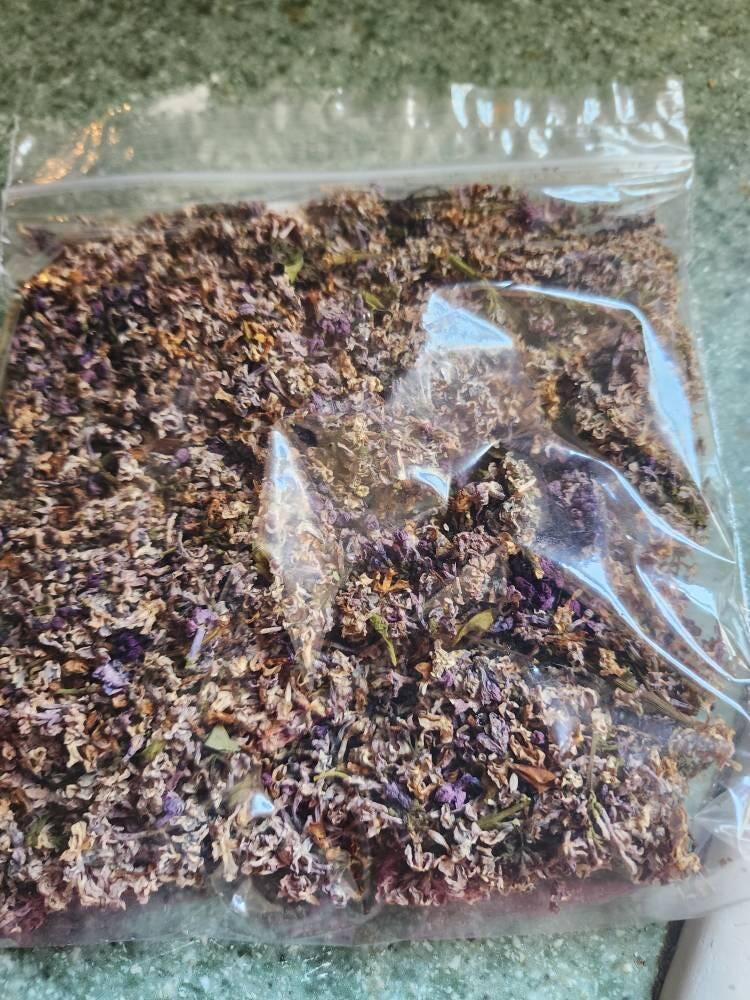
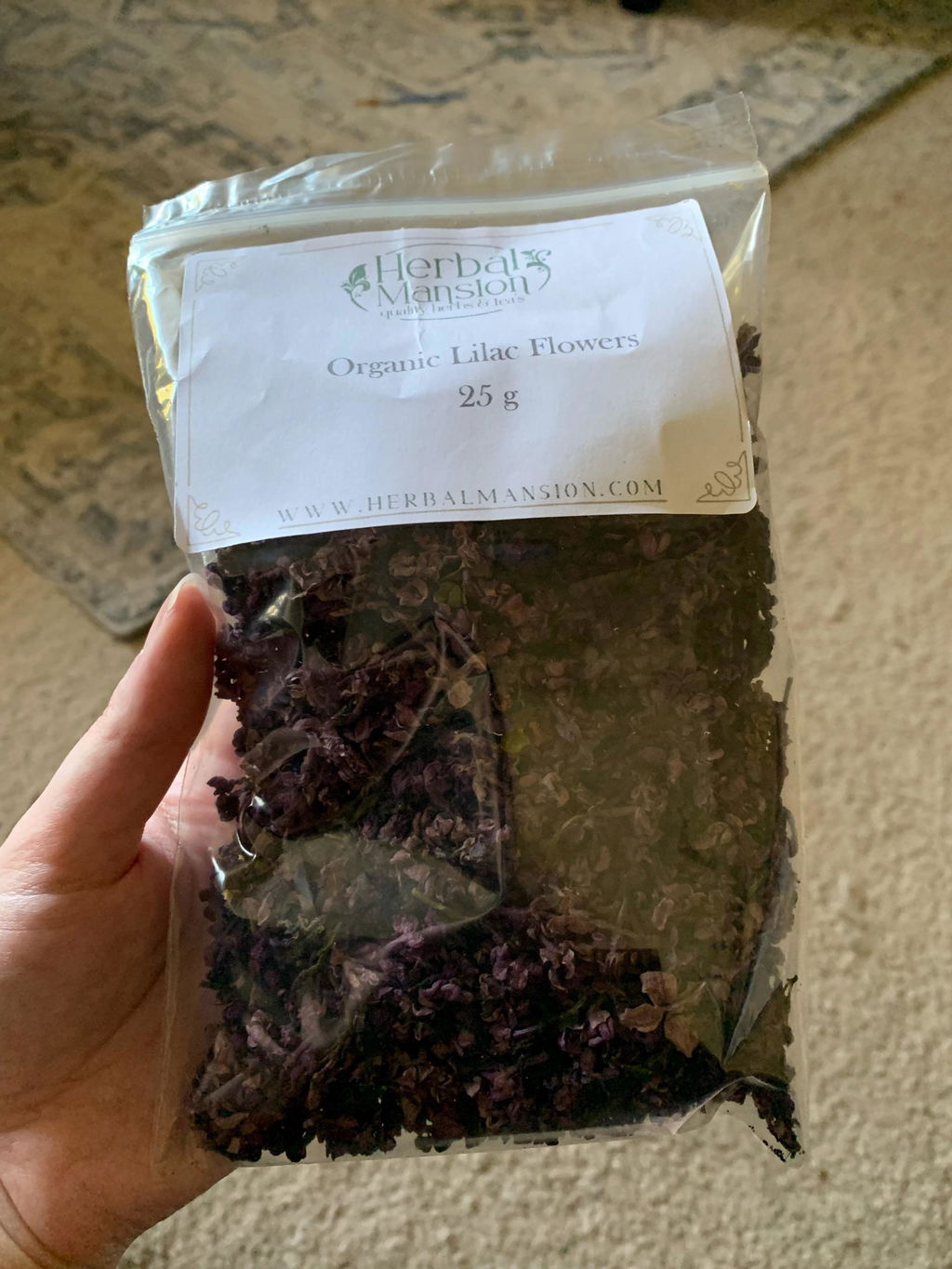
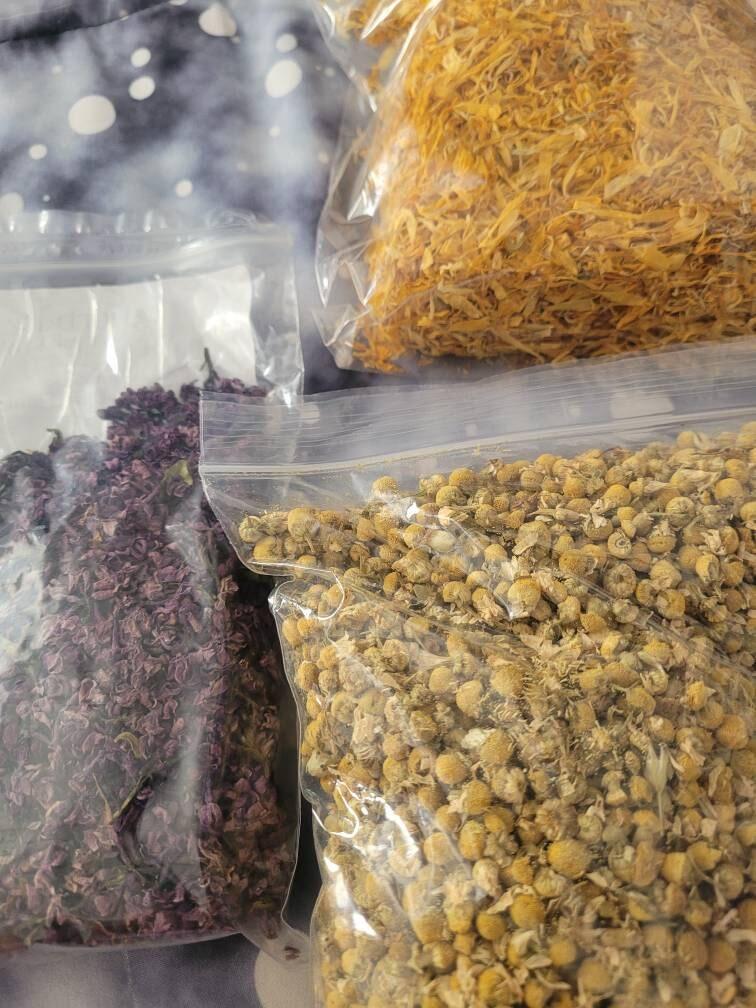
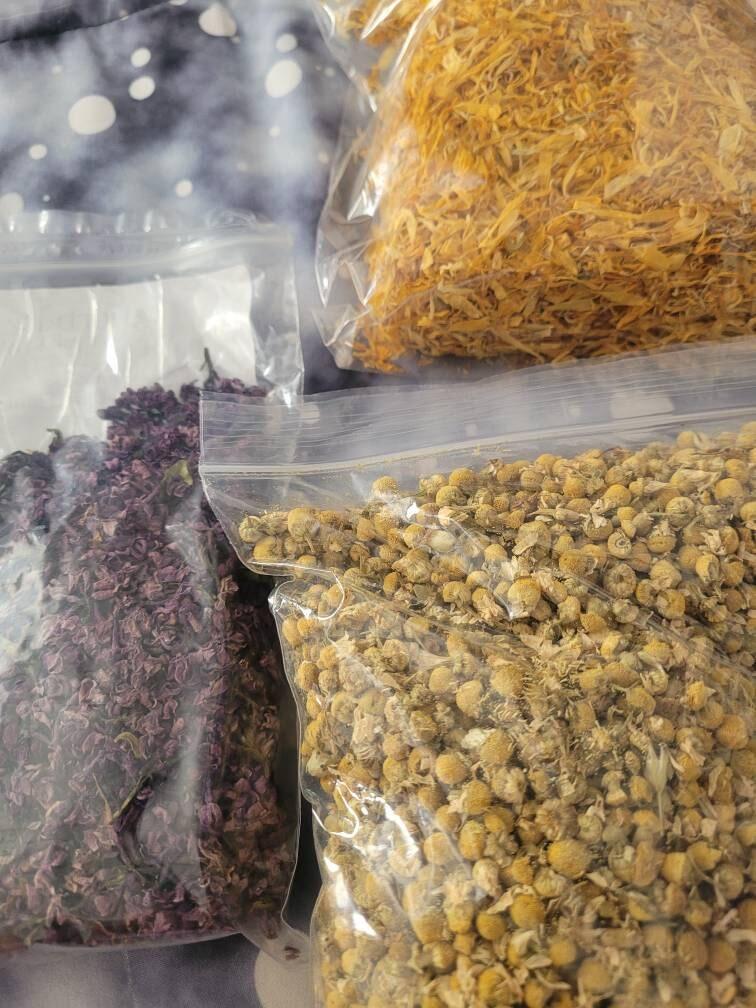
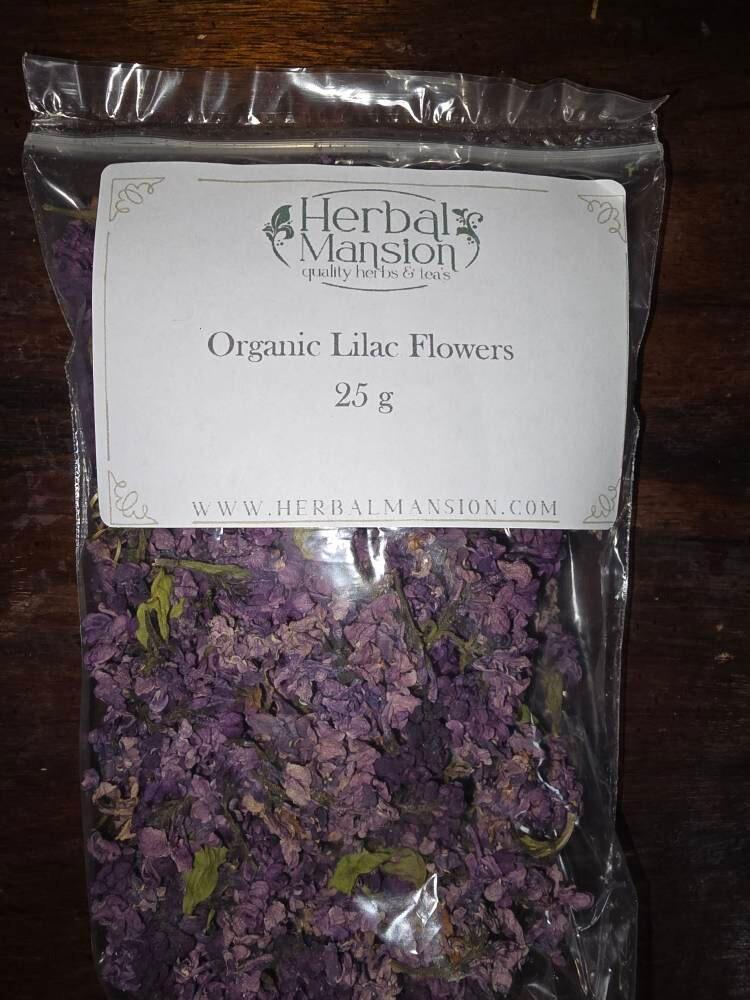
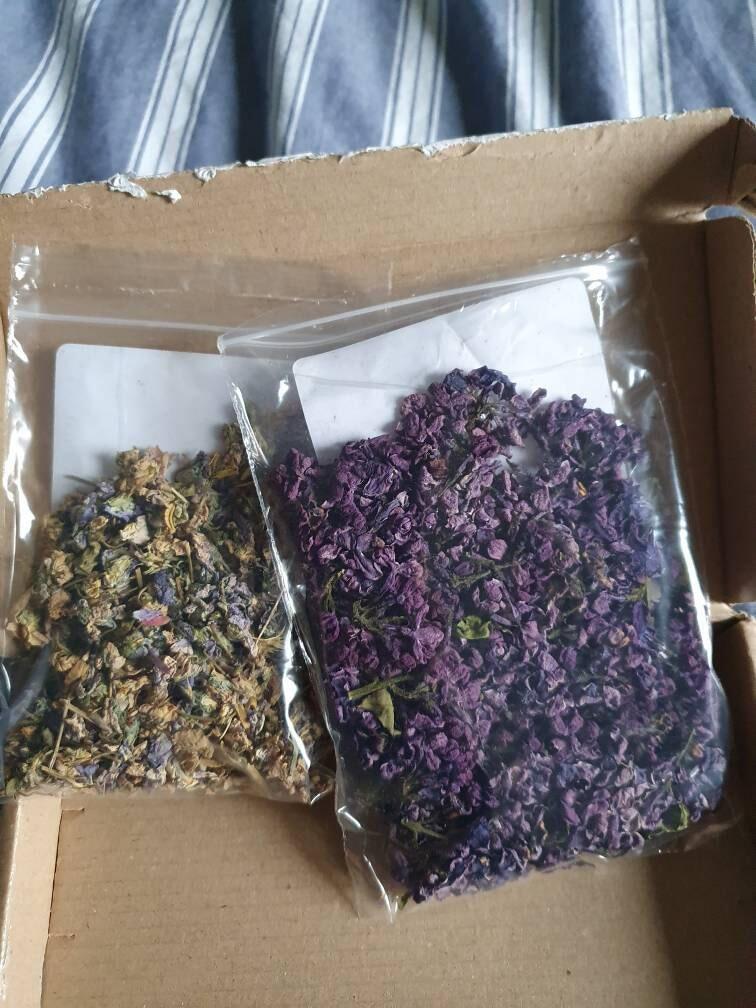
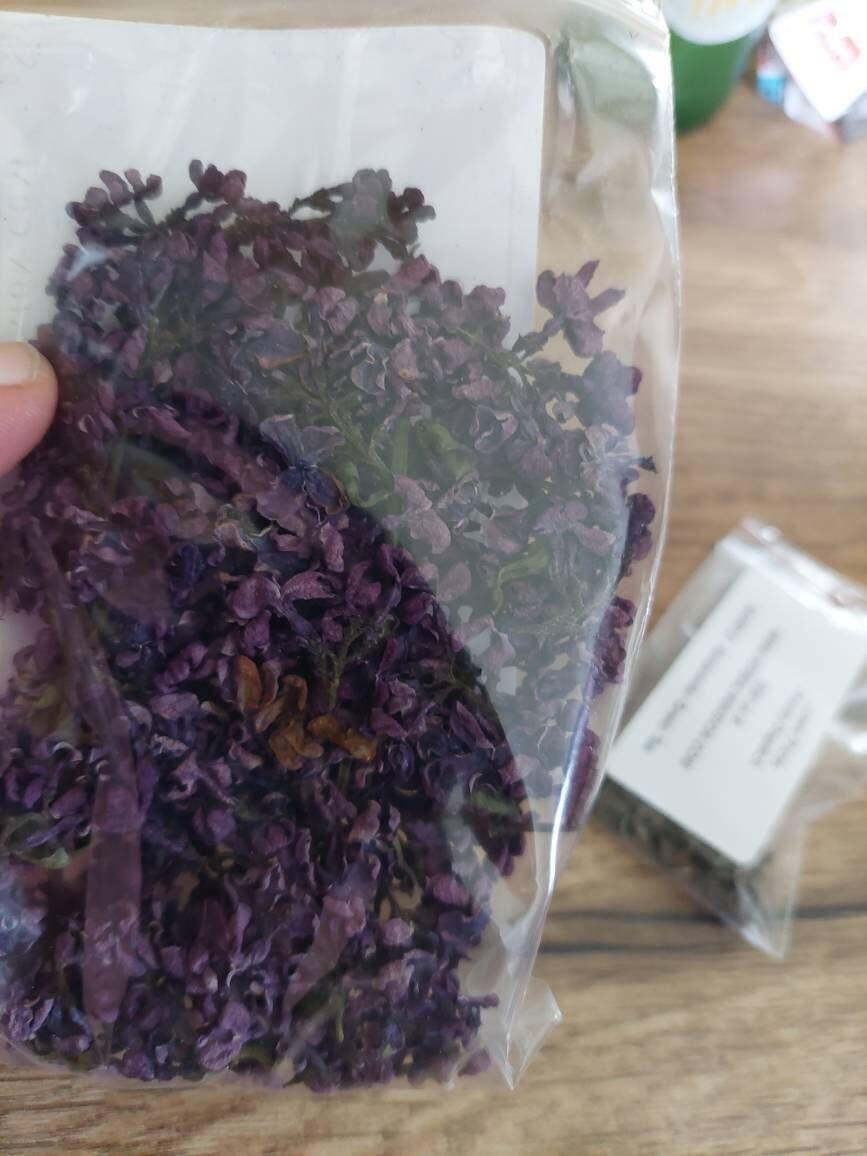
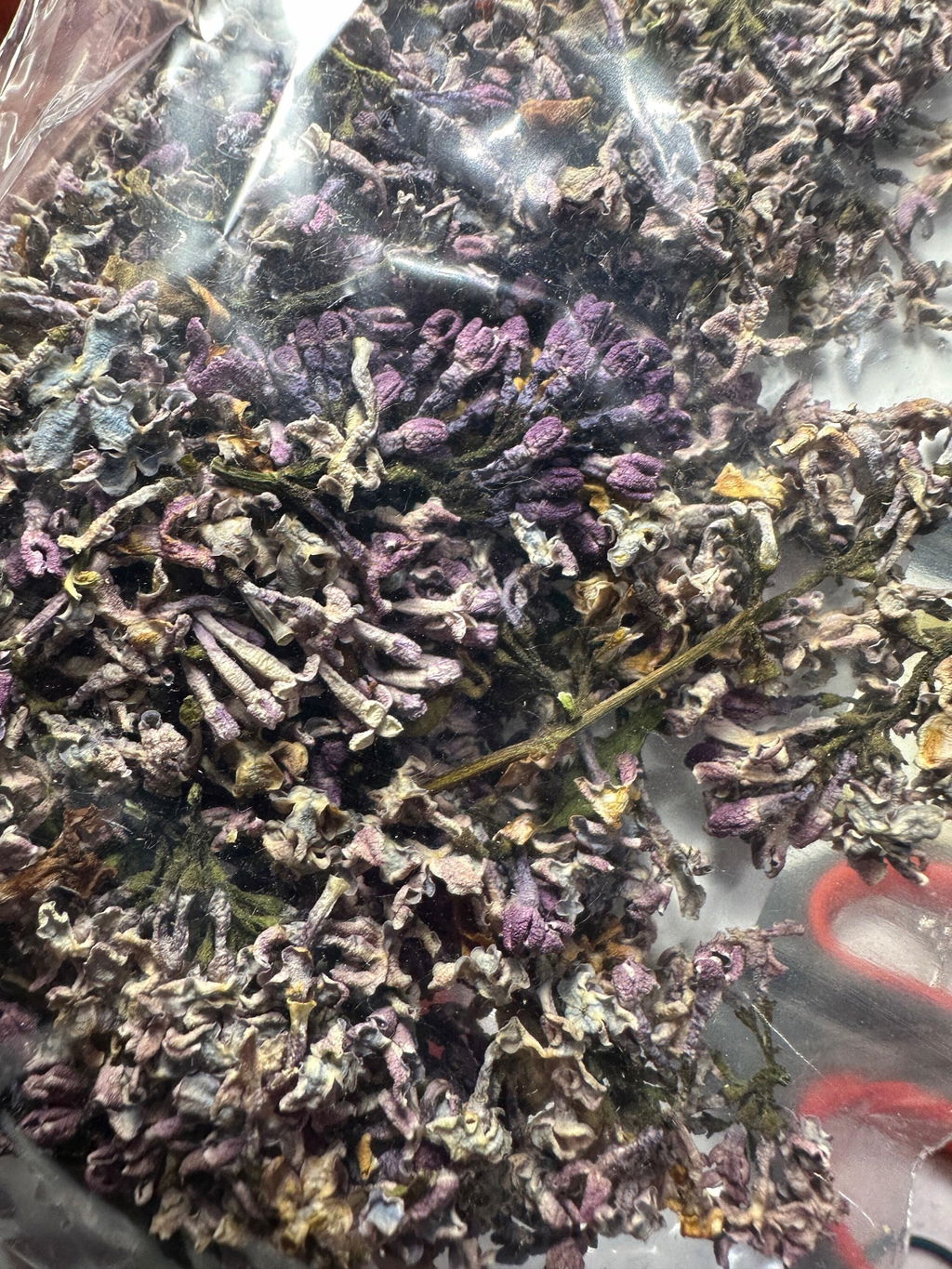
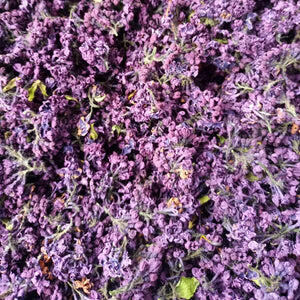
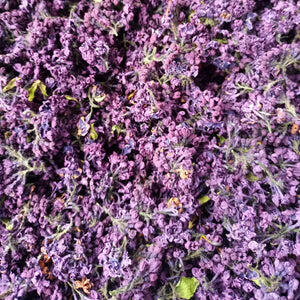
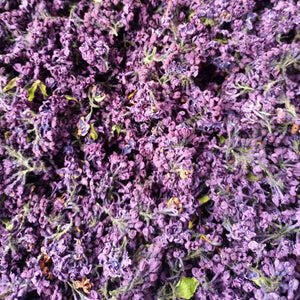
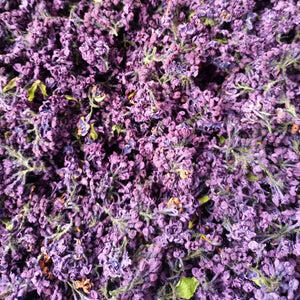
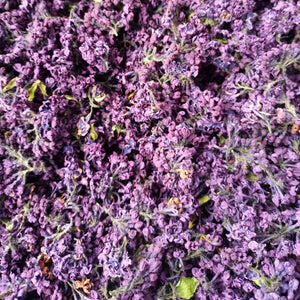
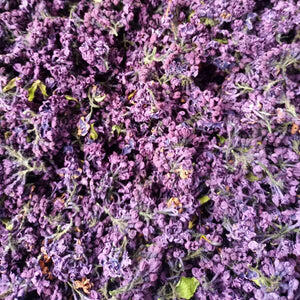
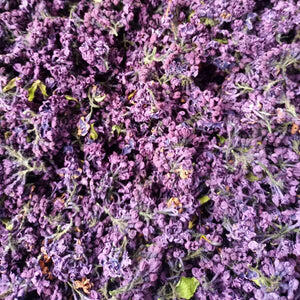
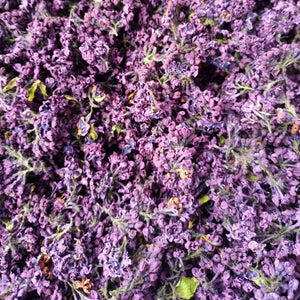
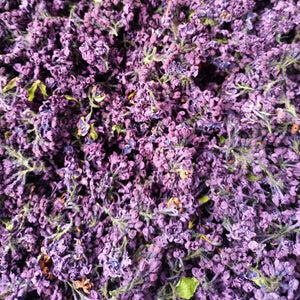
These are dried lilac flowers (Syringa vulgaris): a dense mass of tiny, four-lobed purple flowers, with some bits of stalk. We sell them only as a decorative dried flower. They are not for consumption.
We picked them by hand from the lilac in our garden in Poland and dried them. This batch comes from one garden and is packed from 5 g up to 1 kg while it lasts.
What to make with them
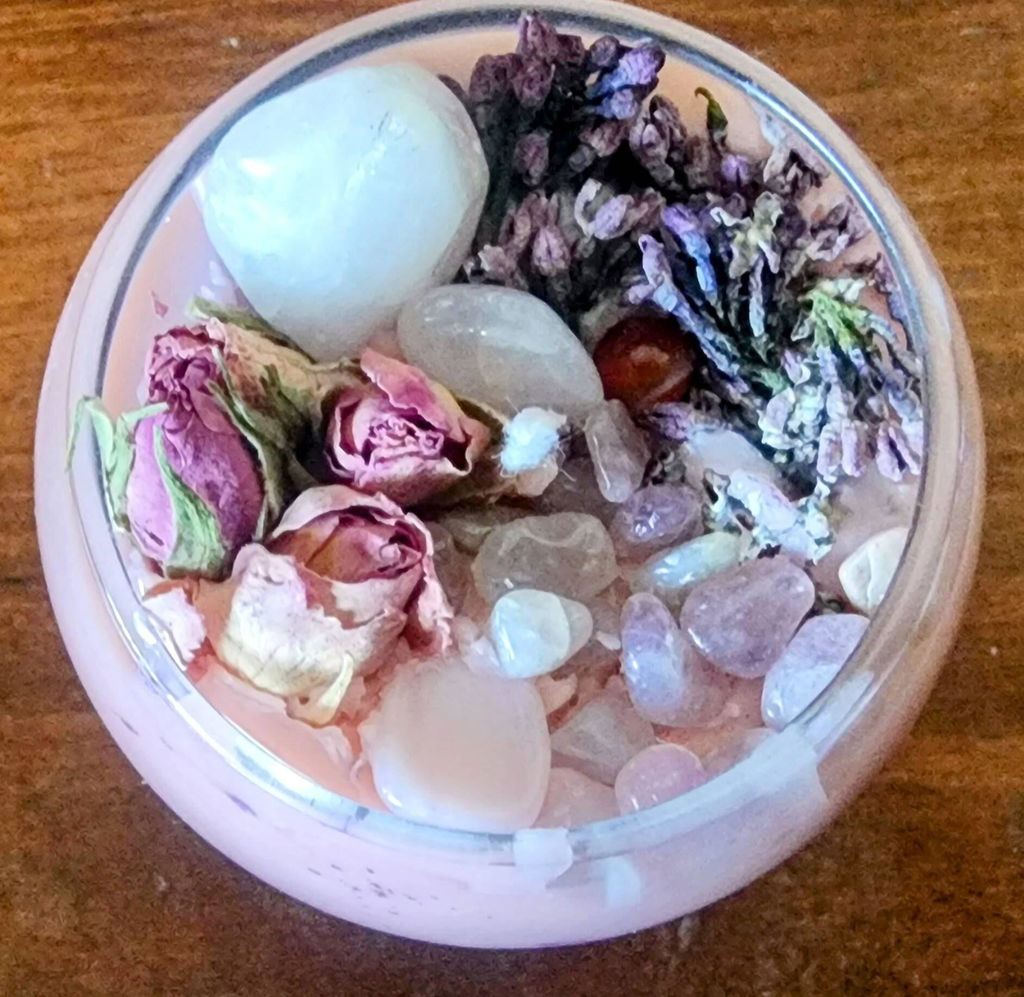
- Potpourri bowls and sachets.
- Dried flower arrangements and wreaths.
- Greeting cards, frames, resin pieces and candles.
- A herbarium or botanical collection.
Not for consumption. Keep away from children and pets.
More dried flowers for craft work: flowers for crafts.
A shrub from the Balkans
Common lilac belongs to the olive family, Oleaceae. It is native to the northern Balkan Peninsula and north-central Romania, and has been introduced across much of Europe and North America. In 1828 Anton Rochel found it growing wild on rocky hills in the Balkans.
The shrub flowers in May. The flowers give a green dye, and an oil from them is used in perfumery.
Storage
Keep the flowers in a closed container in a cool, dry place, apart from food and out of reach of children and pets.
Frequently asked questions
Can I use these lilac flowers in food or drinks?
No. We sell them only as a decorative dried flower. They are not for consumption.
What sizes are available?
Bags from 5 g up to 1 kg, while this batch lasts. Larger bags suit potpourri and bigger craft projects.
Where does lilac grow wild?
In the northern Balkan Peninsula and north-central Romania. Elsewhere in Europe and in North America it was introduced.
Sources
- Plants of the World Online, Royal Botanic Gardens, Kew, Syringa vulgaris L..
- Plants For A Future, Syringa vulgaris, pfaf.org, accessed 25 November 2026.
- Wikipedia, Syringa vulgaris, accessed 25 November 2026.