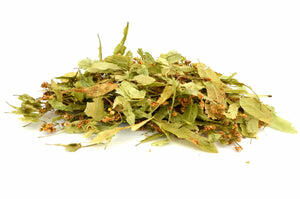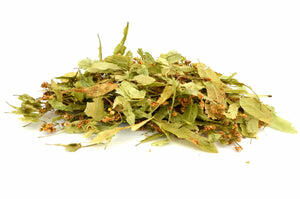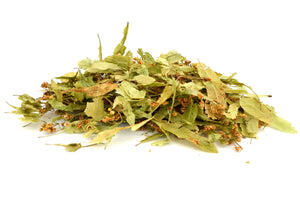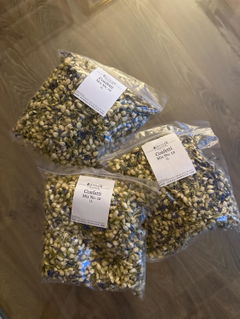


Dried linden flowers smell of honey and are sweetish, and their infusion is mild and pale gold, with a honeyed note. Linden tea has been a household infusion in Central Europe for generations. It is brewed on its own, with honey, or in blends with chamomile, lemon balm and elderflower. The flowers are picked together with the bract, the pale, elongated leaf, because the whole flower cluster is used for infusions.
The tree a month was named after
Slavs and Germanic peoples
Linden was a special tree for the Slavs and Germanic peoples long before anyone wrote down a recipe for an infusion. It was planted in the middle of the village and by the manor house, disputes were judged and agreements made beneath it, and beekeepers valued it for honey. In Polish, the name of the month of July, lipiec, comes directly from the flowering of the linden (lipa), which in the Polish climate falls at the turn of June and July.
The Renaissance
Jan Kochanowski wrote the epigram “Na lipę” (“To the Linden Tree”), in which the tree from Czarnolas invites a guest into its shade and boasts of the honey that bees gather from its flowers. It is evidence that in the 16th century linden was a household tree, planted by the manor house and in the garden.
How dried linden flower is made
The flowers are picked in full bloom, on a dry day, together with the bract. They are dried in shade with good airflow, spread out in a thin layer so they do not turn brown. Flowers of both small-leaved and large-leaved linden are used for infusions, in the same way.
How it is used today
- Infusion. Linden flower on its own with honey, or in blends with chamomile, lemon balm and elderflower.
- Drinks. Linden syrup for water and lemonade, iced linden tea with lemon.
- Kitchen. Linden infusion as a base for jellies and kisiel (a thickened fruit dessert), syrup for pouring over pancakes and desserts.
- Home and cosmetics. An infusion for baths and for rinsing hair, the flowers for potpourri and scented blends.
In blends, linden is most often combined with chamomile, lemon balm and elderflower. Other flowers for infusions and blends are in our Flowers & Petals collection.
Linden in your home cupboard
Linden flower is a familiar household infusion in Central Europe, made the same way as a hundred years ago. It is a flower for people who like mild, honeyed infusions and want a base for their own blends in the cupboard.
More ways to use it
- Infusion. Linden is light in taste, so there can be more of it in blends than of other herbs. A good ratio is 2 tablespoons of linden, a tablespoon of lemon balm and a tablespoon of chamomile, with a level tablespoon of the blend per cup.
- In the kitchen. For lemonade, brew 2 to 3 tablespoons of flowers per litre of water. For syrup, take about 30 g of flowers per litre of water and bring the infusion to the boil with sugar and lemon juice. The syrup goes well with tea and pancakes.
Frequently asked questions
Does the pack contain only flowers, or leaves as well?
Linden flowers are picked together with the bract, the pale, elongated leaf the flowers grow on. This is the usual form of linden flower for infusions. Put the whole thing into the infusion.
How do I make linden tea?
For a cup (about 250 ml), take a tablespoon of flowers, pour over water that has just boiled and brew covered for 5 to 8 minutes. Add honey to the finished infusion.
Where do these flowers come from?
The current batch comes from Poland.
Can linden be drunk during pregnancy or given to children?
In these situations, ask a doctor or pharmacist. A product description does not replace their advice.
Sources
- Jan Kochanowski, Fraszki [Epigrams], Kraków 1584, “Na lipę” (book II, 6).
- Aleksander Brückner, Słownik etymologiczny języka polskiego [Etymological dictionary of the Polish language], Kraków 1927, entries “lipa” and “lipiec”.
- Maud Grieve, A Modern Herbal, London 1931, entry “Lime Tree”.