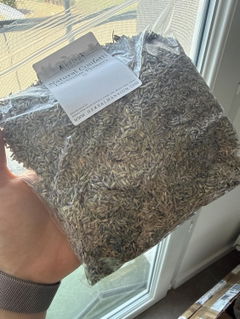


Sencha is the best-known style of green tea in Japan. Right after picking, the leaves are steamed, which keeps their green colour and a grassy, slightly sweet taste with a note some people describe as marine. The name sencha describes the processing method, steaming instead of pan-firing, and that method is used today outside Japan as well. Sencha takes several infusions of the same leaves well, can be brewed hot or cold, and its taste is easy to adjust with brewing time.
The tea that replaced the powdered kind
Beginnings in China and Japan
Green tea came to Japan from China together with Buddhist monks. For centuries people there drank mainly powdered tea, today's matcha, associated with the ceremony and with wealthy households. Loose-leaf tea steeped in water was a novelty in Japan only in the 17th century and long remained in the shadow of the powder.
Nagatani Sōen and the year 1738
Modern sencha was devised by a farmer from Ujitawara, Nagatani Sōen. In 1738, after years of trials, he developed a method of steaming freshly picked leaves, then rolling them by hand and drying them on a heated table. Tea made this way kept its green colour and gave a clean, sweetish infusion. The method spread across the country, and sencha became an everyday tea, available to merchants, craftsmen and ordinary households.
How sencha is made
The leaves are picked in spring and steamed within a few hours to stop oxidation and keep the green colour. They are then rolled into thin, flat needles and dried. From the end of the 19th century machines began to replace hand rolling, the first designs patented by Kenzō Takabayashi in 1885, and sencha became the most widely produced tea in Japan. Producers in China adopted the same processing style, which is why the sencha sold in Europe today comes from various countries.
How it is used today
- Everyday cup. Brewed briefly, in water below boiling, with the same leaves infused two or three times.
- Cold brew. A jug left in the fridge gives a sweet, mellow infusion without the bitterness that hot water brings out.
- With additions. Sencha pairs well with toasted rice, mint, lemon and ginger.
- In the kitchen. Ground leaves to sprinkle over rice and desserts, a strong infusion as a base for jellies and ice cream.
Other loose green teas, including Gunpowder, the milder Bancha and Genmaicha with toasted rice, are in our Loose Green Tea collection.
Sencha in your tea cupboard
Sencha is a good green tea to start with, because it is simple to brew and its taste is clear from the first cup. It is a tea for people who like a light, plant-like infusion, drink green tea every day and want to brew it cold as well.
Frequently asked questions
Does sencha contain caffeine?
Yes, like every tea from the tea plant. The amount depends on brewing time and water temperature; a short brew in cooler water gives a lighter infusion.
Why is my sencha bitter?
Most often because of boiling water or brewing too long. Water at 70 to 80°C, 1 to 2 minutes, and separating the leaves straight after brewing give a sweetish infusion.
How does sencha differ from Gunpowder?
Sencha is a Japanese style, with steamed leaves rolled into needles and a grassy, sweetish taste. Gunpowder is a Chinese tea, pan-fired and rolled, with a fuller, slightly smoky taste.
Can I drink sencha during pregnancy?
It contains caffeine, so if you are pregnant, breastfeeding or taking medication, ask a doctor or pharmacist. A product description does not replace their advice.
Sources
- William H. Ukers, All About Tea, New York 1935, vol. I, chapter XVI on Japanese tea, pp. 309–326.
- Victor H. Mair, Erling Hoh, The True History of Tea, London 2009, chapter on tea in Japan.
- Mary Lou Heiss, Robert J. Heiss, The Story of Tea: A Cultural History and Drinking Guide, Berkeley 2007, chapter “Green Tea”.
- Kakuzō Okakura, The Book of Tea, New York 1906, chapter “The Schools of Tea”.
- EFSA, Scientific Opinion on the safety of caffeine, EFSA Journal 2015, 13(5):4102.