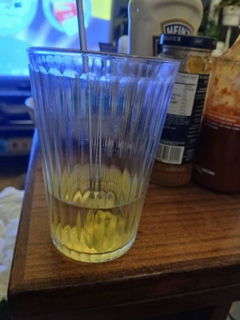


Gynostemma Jiaogulan herbal tea is the rolled leaves and fine stems of a Chinese climbing plant of the gourd family, Gynostemma pentaphyllum. The infusion is greenish-gold, begins with bitterness and ends with a liquorice-like sweetness. It is a caffeine-free infusion for people who like herbal, green flavours in the style of Chinese teas.
A plant from a book about famine
Recorded in 1406
Gynostemma was first described in the Chinese book Jiuhuang Bencao of 1406, a collection of plants that could be eaten in times of famine. Its author, a prince of the Ming dynasty, included a description and an illustration of the climber as a wild vegetable.
How Gynostemma Jiaogulan is made
The climber grows in southern China and in neighbouring countries of Asia, and its leaves are brewed like tea. The leaves are picked with young shoots, rolled into thin twists and dried. This pack contains loose, rolled leaves without thick stems, which unfold in the water into their characteristic five-part leaf blades.
How it is used today
- In a gaiwan. Short infusions in a small vessel, as with Chinese teas.
- In a mug. A few minutes in hot water, with nothing added.
- Cold with lemon. A summer jug.
- With a Chinese meal. A herbal infusion in place of tea.
In our Herbal Tea collection you will also find the bitter Kuding, made from privet. Caffeine-free, but from another continent, is Green Rooibos.
Gynostemma Jiaogulan in your tea cupboard
This is an infusion for people who like the green, herbal flavours of Chinese teas but want to avoid caffeine. It also suits those who like brewing in a gaiwan and following how the taste changes.
Frequently asked questions
Is it a true tea?
No. Gynostemma is a climbing plant of the gourd family, related to the cucumber, and the word tea in the name refers only to the way it is brewed.
Is it ginseng?
No. Gynostemma is a climbing plant of the gourd family, and ginseng belongs to a different family, Araliaceae. They are different plants.
Does Gynostemma Jiaogulan herbal tea contain caffeine?
No. Jiaogulan contains no caffeine.
Can I drink it during pregnancy or with medication?
During pregnancy and if you take medication regularly, ask a doctor or pharmacist. A product description does not replace their advice.