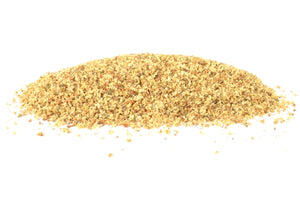
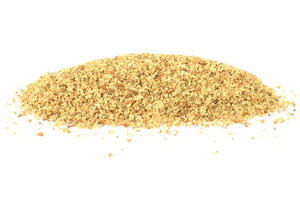
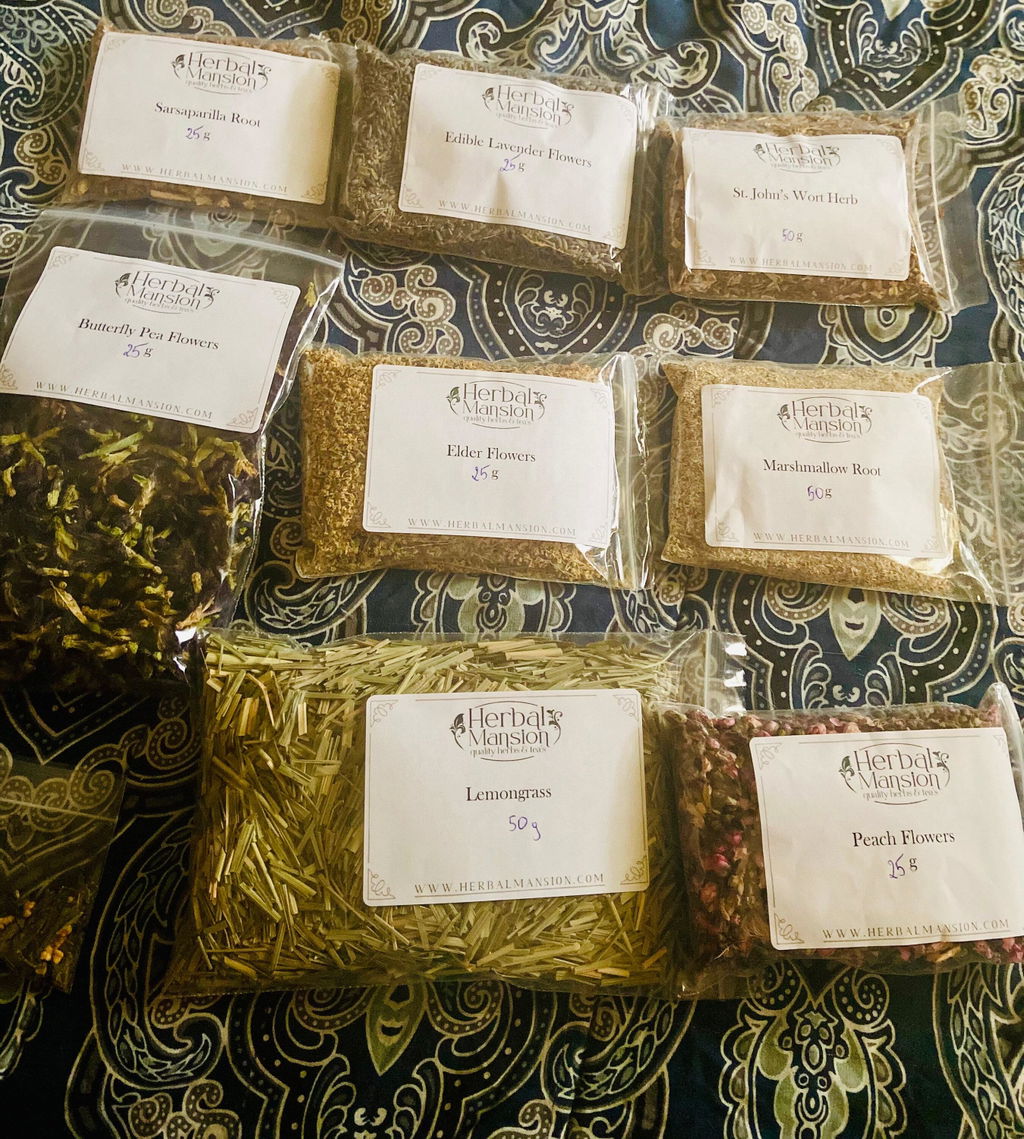
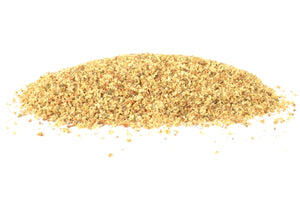
Elderflowers smell sweet and floral, with a light note of honey. The shrub flowers at the end of May, usually for only two or three weeks, which is why the flowers are dried for the rest of the year. Dried elderflowers are brewed on their own or in blends with linden and chamomile, made into a syrup for water and lemonade, and the infusion is added to baths. The small flowers, shaken off the umbels, are easy to measure with a teaspoon and to strain through a fine sieve.
A shrub people took their hats off to
Antiquity and the Middle Ages
Elder (Sambucus nigra) grew beside houses all over Europe and was a working plant, because it gave flowers, berries, wood for pipes and a dye. Hildegard of Bingen described it in her Physica in the 12th century. In Polish and German villages an elder bush was planted by the farmstead and was not cut down without need. Hence the old saying that you should take your hat off to an elder.
Early modern times
In his Sylva of 1664, John Evelyn listed the uses of every part of the shrub. In England the flowers were made into a cordial, a sweet syrup for diluting, and in Austria and Moravia whole umbels were fried in batter. In Polish homes the dried flowers were added to blends with linden and raspberry. In England and Scandinavia elderflower syrup is still made at home today.
How dried elderflower is made
The umbels are cut in full bloom, on a dry day, before the flowers start to turn brown. They are dried whole, spread out in shade with good airflow, and once dry the flowers are shaken off the stalks and sifted. Dried flowers make it possible to brew an infusion and make syrup outside the short flowering season.
How it is used today
- Infusions and blends. Elderflowers on their own or with linden flower, chamomile and mint, with honey added to the finished infusion.
- Syrups and drinks. Elderflower syrup for water, lemonade and mixed drinks, iced tea with lemon.
- Kitchen. The infusion as a base for jellies, sorbets and creams, the syrup for pouring over desserts.
- Home and cosmetics. An infusion of the flowers for baths and for rinsing the face, the flowers for potpourri.
In blends, elderflower is most often combined with linden flower, chamomile and mint. Other flowers for infusions and blends are in our Flowers & Petals collection.
Elderflower in your home cupboard
Elder flowers only briefly, but dried flowers let you return to its scent in an infusion and in syrup for the rest of the year. It is a good flower to start with for someone who is just beginning to make their own blends, because it goes with almost everything.
More ways to use it
- In the kitchen. For syrup, take about 30 g of flowers, which is 8 tablespoons, per litre of water. Steep covered for an hour, strain through gauze and bring to the boil with sugar and lemon. The syrup goes well with sparkling water, lemonade and desserts.
- Bath. For a bath, brew 3 tablespoons of flowers in a litre of water that has just boiled, leave covered for 20 minutes and pour the strained infusion into the bath. Flowers sewn into a cotton bag can be hung under the tap.
Frequently asked questions
How do I brew elderflower?
For a cup, take one to two teaspoons of flowers, pour over water that has just boiled and brew covered for 10 minutes. It tastes good with honey or in a blend with linden.
Where do these flowers come from?
The current batch comes from Poland.
Can elderflowers be given to children or drunk during pregnancy?
In these situations, ask a doctor or pharmacist. A product description does not replace their advice.
Sources
- Hildegard of Bingen, Physica, 12th century, book III, chapter on elder.
- John Evelyn, Sylva, or A Discourse of Forest-Trees, London 1664, chapter on elder.
- Maud Grieve, A Modern Herbal, London 1931, entry “Elder”.