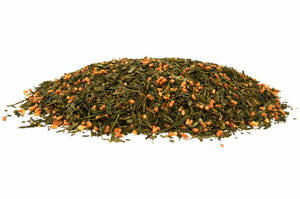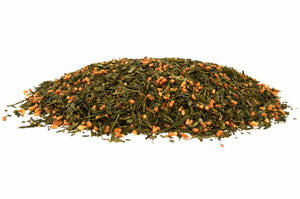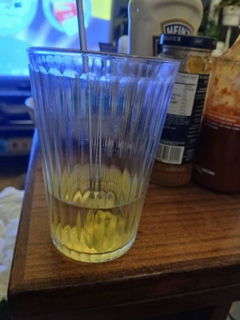


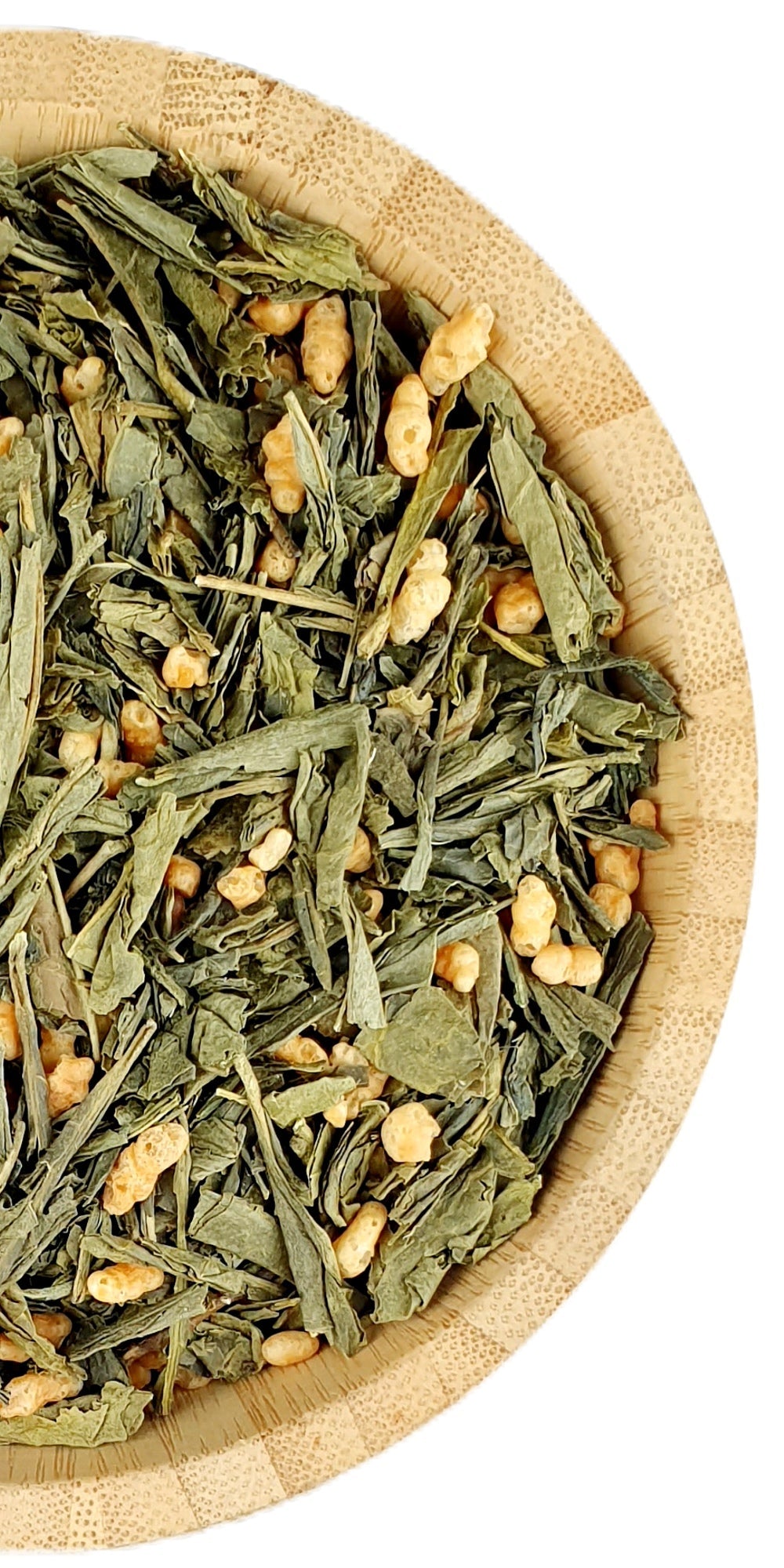
Genmaicha is green tea combined with roasted rice. The infusion is mild and grainy, with a nutty roasted note. In Japan it is drunk every day with meals, and in summer also cold.
An everyday tea from the Kyoto tradition
Rice that was not to go to waste
Genmaicha is linked to everyday cooking, in which roasted rice met green tea. Several stories about using rice left over from preparing food are associated with the beginnings of genmaicha. One of them tells of a pre-war merchant from Kyoto who roasted the crumbs of New Year rice cakes and combined them with tea. Another points to the scorched rice left over from cooking meals. In both stories an important role is played by the idea of using this humble ingredient in a new form.
Tea beside a bowl of rice
The nutty scent of genmaicha fits well with the Japanese way of serving rice with small side dishes. The tea can accompany a meal or become part of the dish itself. An example is ochazuke, cooked rice with hot tea poured over it, with fish, nori or other toppings. It is a simple form of home meal that allows many variations in ingredients. Various teas are used for ochazuke, as well as dashi broth. The choice of salty toppings and the amount of liquid let you make a dish with a more delicate or more pronounced taste.
How genmaicha is made
The basis of this style is green tea and rice prepared separately. Processing the rice involves soaking, heating, drying and roasting, with the details depending on the type of rice and the process. Among others, ordinary rice and glutinous rice are used in production, chosen for the intended roasting effect. After roasting, the rice cools and is combined with the tea. The proportions of the two parts change the character of this tea.
How it is used today
- With meals. Genmaicha can be served with rice, fish, vegetables or salty snacks.
- Ochazuke. Hot tea can be poured over cooked rice with toppings.
- Unsweetened. A first cup without sugar lets you discover the taste of the roasted rice.
- Cold tea. Cold brew is an alternative way of preparing this blend.
Our Loose Green Tea collection also includes Sencha, Bancha and Kukicha.
Genmaicha in your tea cupboard
In this tea green leaves meet the taste of roasted rice. It is worth starting with a short brew and choosing the proportions that suit you best.
Frequently asked questions
Where is this genmaicha made?
In China, in the Japanese style: green tea combined with roasted rice.
How does genmaicha differ from sencha?
The distinctive ingredient of genmaicha is roasted rice. Sencha is a separate style of green tea.
Why is it worth mixing the tea before measuring it out?
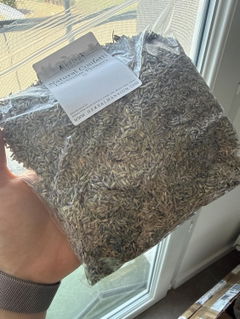
The rice and the leaves can settle unevenly in the packet. Mixing gently makes it easier to scoop a portion that contains both ingredients.
Does genmaicha contain caffeine?
Yes, because it contains green tea. The amount of caffeine in the infusion depends, among other things, on the portion of the blend and the way it is brewed.
Can I drink it during pregnancy or with medication?
It contains caffeine, so in these situations ask a doctor or pharmacist. A product description does not replace their advice.
Sources
- Kevin Gascoyne, François Marchand, Jasmin Desharnais, Hugo Américi, Tea: History, Terroirs, Varieties, Firefly Books, Richmond Hill 2011, chapter on Japan (Genmaicha, pp. 116 and 122; gastronomy pp. 220–245).
- Mary Lou Heiss, Robert J. Heiss, The Story of Tea: A Cultural History and Drinking Guide, Ten Speed Press, Berkeley 2007, chapter “Green Tea”.
- Victor H. Mair, Erling Hoh, The True History of Tea, Thames & Hudson, London 2009.
- William H. Ukers, All About Tea, The Tea and Coffee Trade Journal Company, New York 1935, vol. I, chapter XVI “Cultivation and Manufacture in Japan”, pp. 308 ff.
- EFSA, Scientific Opinion on the safety of caffeine, EFSA Journal 2015, 13(5):4102.