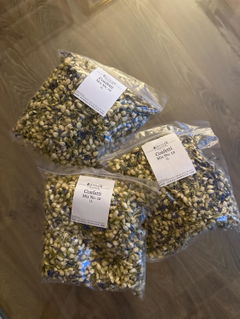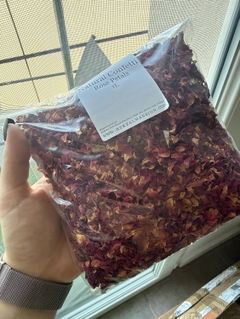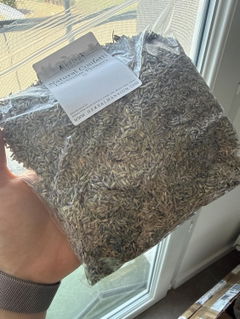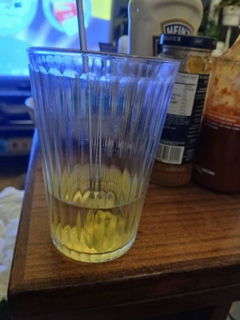


Sweet Dreams is a blend of three herbs: two parts lemon balm and one part each of chamomile and peppermint. The infusion is pale gold, herbal and slightly lemony from the lemon balm, with a cool note of mint and sweetish chamomile in the background. Sweet Dreams is simply the name of the blend; the infusion contains no caffeine and suits any time of day.
Herbs in place of tea
Ukers's list
In 1935 William Ukers listed the plants that were brewed in various countries in place of tea. From Europe he named, among others, chamomile, peppermint and lemon balm, alongside lime, primrose and sage. He described chamomile as an infusion of a herb growing wild in England and western Europe and cultivated in England, France and Belgium. So all three herbs in this blend already had their own place in the cup at that time, each on its own.
Mint in Lu Yu's kettle
Lu Yu's Cha Jing, a book on tea from around 780, mentions herbs in the kettle without much sympathy. Ukers summarises that in Lu Yu's time tea was boiled with onion, ginger, jujube dates, orange peel and peppermint. Lu Yu called such a drink “the swill of ditches” and advised brewing tea on its own. According to Ukers, these additions disappeared from Chinese tea in the Song era.
How Sweet Dreams is made
The lemon balm and peppermint are leaves cut before flowering, dried and chopped into pieces. The chamomile is whole flower heads of German chamomile, Matricaria chamomilla, picked in full bloom and dried whole. The herbs are mixed dry in a proportion of two parts lemon balm, one part peppermint and one part chamomile. The blend contains no added flavouring.
How it is used today
- Hot, in a mug. A minty, lemony infusion, caffeine-free.
- With honey and milk. Chamomile and lemon balm go well with milk.
- Cold. Lemon balm lemonade for a summer afternoon.
- For your own blends. A base to which you can add other dried flowers or herbs.
In our Herbal Tea collection you will find other caffeine-free blends. Each of the herbs is also available on its own, as Lemon Balm, Chamomile and Peppermint.
Sweet Dreams in your tea cupboard
It is a blend for people who like caffeine-free herbal infusions and want three garden herbs in one blend.
Frequently asked questions
In what proportions are the herbs?
Two parts lemon balm, one part peppermint and one part chamomile. The lemon balm gives a lemony base, the mint coolness and the chamomile sweetness in the background.
Can it be mixed with tea?
Yes. A teaspoon of Sweet Dreams added to green tea gives a minty, lemony infusion, which then contains caffeine from the tea.
Does Sweet Dreams contain caffeine?
No. Lemon balm, chamomile and peppermint contain no caffeine.
Can I drink it during pregnancy or with medication?
It contains three herbs, so during pregnancy or when taking medication regularly, ask a doctor or pharmacist. A product description does not replace their advice.
Sources
- William H. Ukers, All About Tea, New York 1935, vol. I, chapter II “China and the Ch'a Ching”, pp. 20–21 (additions to tea in Lu Yu's time), and chapter XXIV “Botany and Histology of Tea”, pp. 504–505 (plants used in place of tea); vol. II, chapter XXII “Early Manners and Customs”, pp. 396–397 (additions to tea up to the Song era).